Zhiyun (Official Store) review: best direct-from-maker case
One of the two names that define consumer camera stabilization, sold direct from the maker's own store. The gimbals are mature, capable, and priced sensibly across phone and camera lines — the buying skill is matching the model to your camera's weight and resisting features you'll never rig up.
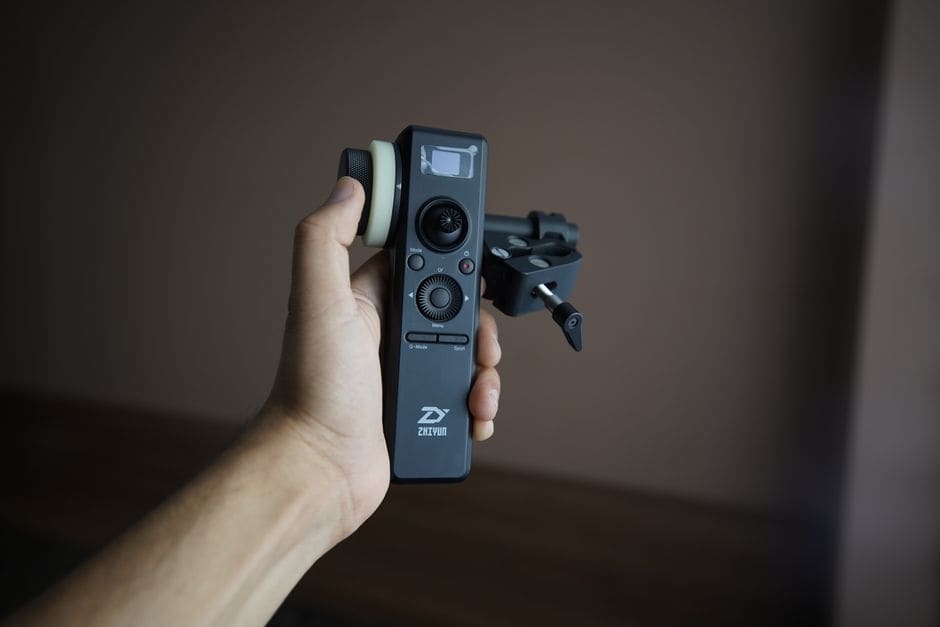
What we like
- Deep lineup from phone gimbals to payloads for full camera rigs
- Stabilization tech is mature — smooth footage is the baseline, not the pitch
- Direct store carries the full current range plus spares and accessories
- Aggressive iteration means strong capability at mid-market prices
Flaws but not dealbreakers
- Model naming across generations and tiers is genuinely confusing
- Companion-app ecosystem is the usual mixed bag of useful and gimmicky
- Payload matching is on you — an overloaded gimbal stabilizes nothing well
- Rapid product cycles can leave last year's model feeling orphaned
Shaky footage is the fastest way to make good content look amateur, and motorized gimbals are the fix that trickled down from film sets to everyone. Zhiyun sits alongside one major rival at the center of that market, with a catalog running from pocket phone stabilizers to units built for full camera-and-lens rigs — and the official store is the one place the whole current range, with accessories and spare parts, reliably lives in one catalog. That makes the official store worth reviewing as a purchase venue in its own right, not just a brand brochure.
The technology itself has crossed into maturity. Any current gimbal from a serious maker produces the smooth tracking shots that once required rails and dollies; motors, balancing, and stabilization algorithms are all solved problems at the consumer level. That's good news with a consequence: the differences between models are now about payload capacity, battery endurance, folding size, and control ergonomics rather than whether the footage comes out smooth. It does. The practical consequence: skip the generation-versus-generation agonizing, buy current, and spend your decision energy on fit instead.
The single decision that makes or breaks the purchase is payload matching. Every gimbal is rated for a weight class, and a camera-plus-lens combination near or over that ceiling produces motor strain, drift, and exactly the wobble you paid to eliminate. Weigh your heaviest realistic setup — the lens you actually shoot with, not the body alone — and buy a class with headroom. Creators who upgrade lenses later and discover their gimbal can't carry the new glass are this category's most common regret story. The inverse mistake exists too — buying a heavy-payload unit to be safe and discovering its bulk keeps it in the closet — so headroom should be sensible, not maximal.
Phone-gimbal buyers face a different question: whether they need one at all, given how good phone stabilization has become. Our take — if your work is casual clips, the phone alone is likely enough; if you shoot walking segments, tracking moves, or anything cinematic on purpose, the physical gimbal still clearly earns its bag space. The subject-tracking and gesture features in the companion apps range from legitimately useful to demo-day novelty, so buy for stabilization and treat app tricks as bonuses.
Buying direct from the manufacturer's store has mundane, real advantages in this category: current-generation stock rather than a marketplace mix of old and new, straightforward warranty registration, and access to the small parts — plates, cases, extension accessories — that third-party listings rarely carry. Given how similar street prices tend to be, that's a reasonable default rather than a premium choice. The caveat cuts the other way during sale seasons, when authorized third-party retailers sometimes undercut the direct store meaningfully — a quick comparison before checkout costs nothing.
Verdict: a first-tier maker in a two-horse category, with a direct store that's the sensible place to buy. Do the payload arithmetic, ignore the gimmick features, and expect your footage to stop advertising that it was shot by hand.
Key specs
- Type
- Manufacturer direct store — gimbals and creator gear
- Best for
- Video creators stepping up from handheld footage
- Check first
- Your camera-plus-lens weight against the model's payload class