Premium HDMI Cables review: skip
For a working HDMI connection, an expensive cable and a cheap certified one deliver the identical picture — digital data doesn't get 'more vivid' through fancier copper. Buy a certified cable at commodity price, spend the difference on literally anything else in your system.
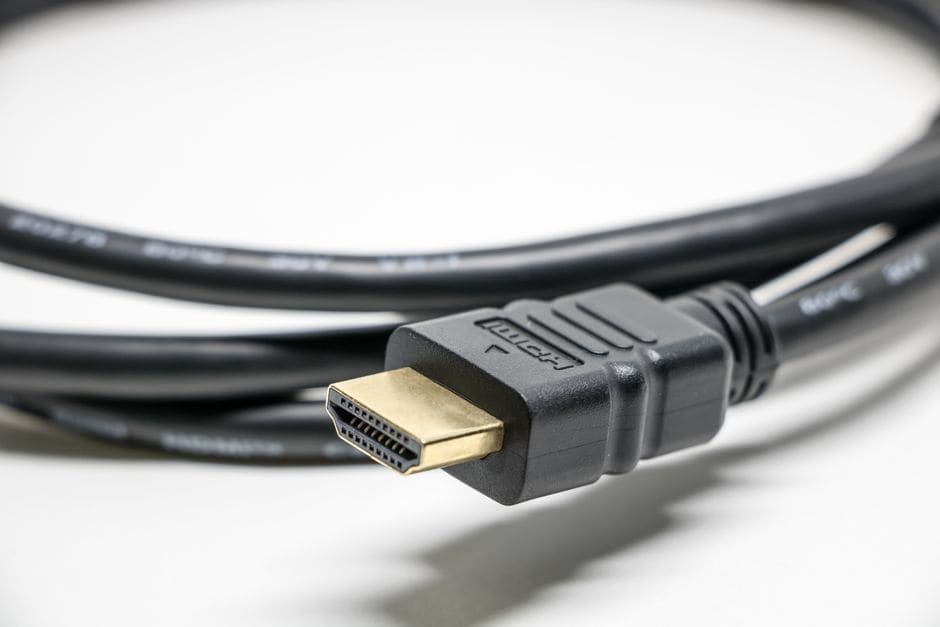
What we like
- Well-built premium cables do have sturdier connectors and jackets
- Long in-wall runs and active optical cables are a legitimate specialty purchase
- The certification logos on cheap cables actually mean something
- Braided sleeves look nice behind glass cabinets, if that matters to you
Flaws but not dealbreakers
- Zero picture or sound improvement over any certified cable that works
- Marketing language is engineered to blur digital and analog logic
- Price differences can be enormous for identical delivered bits
- Store-floor upsell of premium cables preys on new-TV excitement
- Money spent here is subtracted from upgrades you would actually see
Few purchases in consumer tech have a cleaner scientific answer than this one. HDMI carries digital data: the bits either arrive intact and you get a perfect picture, or they don't and you get obvious failures — sparkles, dropouts, a blank screen. There is no middle state where a more expensive cable delivers richer color or deeper blacks. That's not a hot take; it's how digital transmission works, and it's been demonstrated to death by every serious testing outlet that has bothered — blind comparisons on identical panels have been embarrassing premium cables for as long as flat screens have existed.
The marketing survives anyway, because it borrows the language of analog audio — where cable construction once genuinely mattered at the margins — and applies it to a domain where it doesn't. Words like 'clarity,' 'depth,' and 'reference-grade' on an HDMI package are describing feelings, not physics — a digital link has no gradient for those adjectives to live on. The premium-cable aisle exists because the margins on cables are spectacular and the person who just bought a new TV is at maximum willingness to protect the investment. It's a masterclass in selling to a moment: the fear is real, the remedy is fictional, and the refund window closes long before anyone runs a side-by-side on their own wall.
The category context lives in our Audiophile USB Cables.
What actually matters is certification and bandwidth class. A cable certified for the HDMI feature set you need — high frame rates, variable refresh, the current standard's full bandwidth — will do everything the standard allows, whether it cost pocket change or a car payment. The certification programs exist precisely so you don't have to trust adjectives — the current one even puts scannable verification labels on certified boxes, introduced because counterfeit claims were rampant. Buy certified, from any reputable commodity brand, and the job is done. And if a certified cable ever does misbehave — usually at long lengths or through wall plates — the failure will be obvious and binary, and the fix is a shorter run or an active cable, not a costlier passive one.
The legitimate exceptions are about distance and installation, not quality. Very long runs are where passive copper genuinely struggles, and active optical HDMI cables earn their higher price there. In-wall installation calls for appropriately rated jackets. And if a cable will be plugged and unplugged constantly, a sturdier connector is worth a small premium. Notice that every one of these is a mechanical or reach problem — none is a picture-quality problem. The pattern generalizes: when a cable purchase is justified, the justification is physical, and it still doesn't require the luxury shelf.
Our rating reflects the category as sold, not the cable as an object: the wire works fine, and so does the one costing a fraction as much. Buy the certified cheap one, and let the premium aisle fund someone else's margins. If a salesperson insists the picture will improve, ask which bits the cheaper cable was planning to lose; the silence is the review.
Key specs
- Type
- Category advice — video cables
- Best for
- Nobody, at premium prices; everybody, at commodity prices