Power Banks: Buy on Certification, Not Hype review: essential reading
A good power bank is one of the best value purchases in tech — but the category's marketing is capacity-inflation theater. Buy on safety certification, honest capacity, and port standards from an established brand; ignore the flashiest listing on the search page.
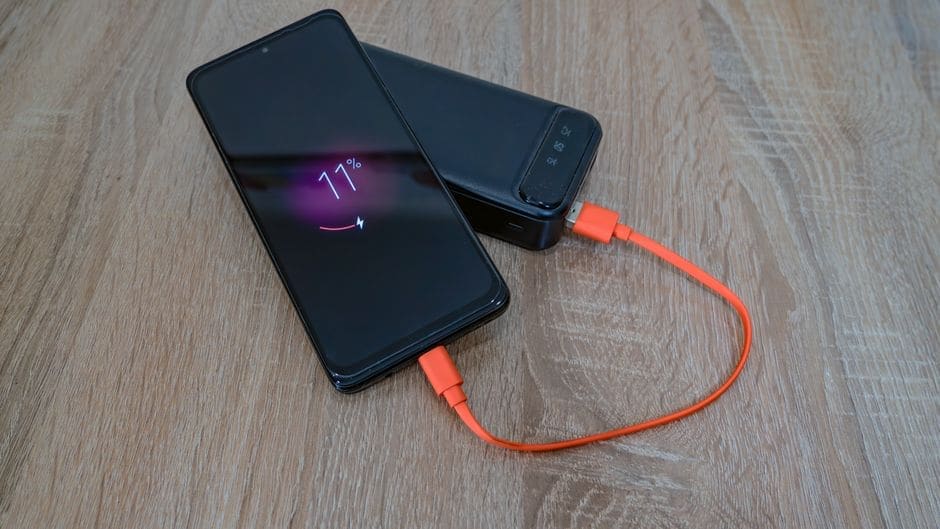
What we like
- Genuinely useful category — travel, commutes, and outages all justify one
- Established brands with real certification are easy to identify
- Modern fast-charging standards make a good bank charge laptops too
- Prices for legitimate quality have fallen steadily for years
Flaws but not dealbreakers
- Marketplace listings routinely exaggerate capacity and speed
- A battery in your bag is a safety device — anonymous brands are a real risk
- Advertised capacity never equals delivered capacity, by physics
- Airline rules constrain the biggest banks; size to your actual life
A power bank might be the most democratic gadget there is: everyone's phone dies, so everyone's a customer, so the market has flooded end to end with products competing on whichever number looks biggest in a search-results thumbnail. That makes this one of the rare categories where the buying advice matters more than the product pick — because the difference between a good bank and a bad one isn't features, it's trust. Every claim on a power-bank listing is unverifiable at purchase time, which is exactly the condition reputations were invented for.
Start with what a power bank actually is: a lithium battery you carry against your body, charge unattended, and stuff into bags. That's a safety product. Certification marks from recognized testing bodies exist for exactly this class of device, and established brands submit to them; anonymous marketplace brands with rotating names often don't. The failure mode of a bad cable is a slow charge — the failure mode of a bad battery is worse. This is the whole reason our advice is 'buy boring.' Boring brands document their cells, honor their warranties, and issue recalls when something goes wrong — which is precisely the behavior you're purchasing, because a recall requires a company that still exists and admits mistakes.
Worth reading alongside our The Everyday Charging Kit: What to Buy, What to Verify before you commit.
Next, capacity honesty. Advertised capacity describes the cells, not what reaches your phone — conversion losses mean delivered charge is always meaningfully less, and that's true even for honest brands. Dishonest ones simply print fiction. The practical translation: buy from brands with a reputation to lose, expect real-world charge counts below the arithmetic, and treat any listing whose capacity claims dwarf same-size competitors as self-reporting its own fraud. Reviews help less than usual here, since a bank's honesty only reveals itself over months of charge cycles; brand track record is the better instrument.
Then match ports and standards to your devices rather than maxing numbers. A bank supporting the mainstream fast-charging standard over USB-C covers modern phones and many laptops — and that one box ticked matters more than any exotic protocol on the spec list; beyond that, more wattage than your devices can accept is spec-sheet decoration, while a second port matters to anyone who has ever chosen between phone and headphones at an airport outlet. Size, similarly, is a lifestyle question — the pocket bank that actually rides in your bag beats the impressive brick that stays home on the shelf, and airline battery rules put a ceiling on how big a bank you can fly with anyway. Frequent flyers should treat those rules as a design constraint, not trivia — the bank confiscated at the gate charges nothing.
The category earns its strong rating because a well-chosen bank is cheap, lasts years, and solves a problem every person with a phone genuinely has. Just remember the selection rule that this entire guide compresses into one line: certification and reputation first, capacity claims last. Get that rule right and the rest of the purchase is pleasantly hard to ruin.
Key specs
- Type
- Category buying guide — portable batteries
- Best for
- Everyone, which is exactly why the junk tier thrives